
You’re cruising down a two-lane highway in your Jeep Wrangler when an oncoming Wrangler driver raises two fingers off the steering wheel. You respond without thinking. No words exchanged, no eye contact needed. You both know you’re part of the same tribe. This kind of on-the-road greeting isn’t limited to Jeep owners, either. Miata drivers do it with a flick of their headlights. Porsche drivers do it with a quick flash of their brights. These rituals have been quietly shaping car culture for decades.
- The Jeep Wave likely traces back to World War II, when soldiers driving military Willys MBs would wave to each other for morale and solidarity.
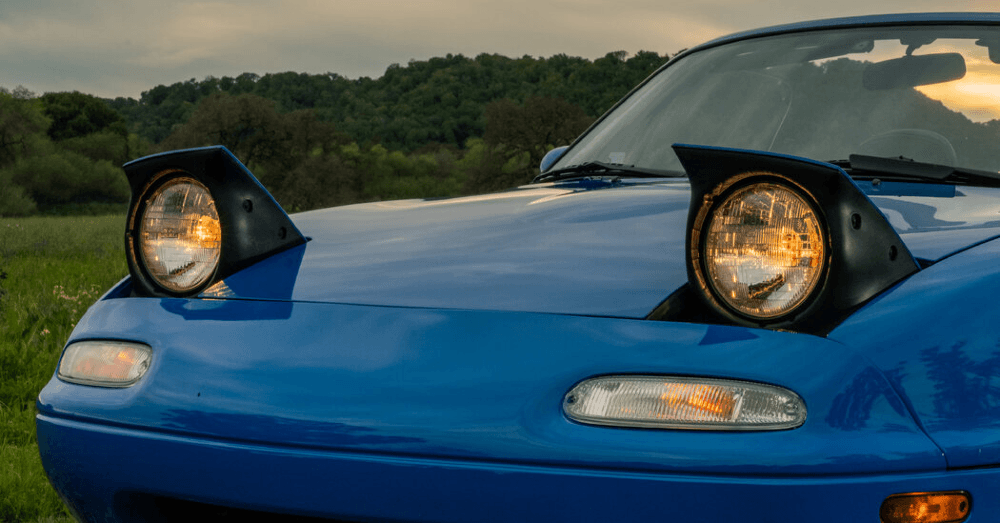
- First-generation Mazda Miata owners greet fellow drivers by popping up one headlight in a playful “wink” that’s become a beloved tradition among owners.
- Porsche owners have a long history of flashing their headlights at each other, a custom that may have started in Europe during the 1950s and 1960s.
The Jeep Wave and Its Wartime Roots
If there’s one vehicle greeting that’s become a full-blown cultural phenomenon, it’s the Jeep Wave. The roots of this tradition are often traced back to World War II, when the original military Jeeps were used by Allied forces and soldiers would wave to each other as a show of solidarity. When veterans returned home and purchased civilian versions of the Jeep, they brought this tradition with them, and over time it spread to civilian Jeep owners everywhere.
There’s a whole unwritten rulebook, too. In Jeep culture, older models earn more respect than newer models, which means the driver of the newer Jeep is expected to wave first as a sign of reverence. Modifications like a lift kit, winch, or custom tires can also boost your standing in the Jeep pecking order. Most drivers go with a two-finger lift above the steering wheel, similar to a peace sign.
The Jeep Wave has been around for over half a century and has become so ingrained in the brand’s identity that the manufacturer officially adopted the name. The Jeep Wave Program is now a customer care loyalty package that includes vehicle protection, free maintenance, and even a subscription to offroad trail-finding apps.
And then there’s the rubber ducks. Jeep ducking is a custom among Jeep owners where they leave rubber ducks on other Jeeps, started in 2020 by Allison Parliament during the early days of the pandemic when she placed a duck on a stranger’s Jeep with a simple note as an act of kindness. Parliament shared the moment on social media, which went viral and popularized the whole practice of “ducking.”
The Miata Wink and Porsche Flash
Jeep owners don’t have a monopoly on the secret handshakes of car culture. The Mazda MX-5 NA is famous for its pop-up headlights and the passionate following that grew around it, and from the car’s earliest days, one of the most beloved traditions has been the “NA wink,” a friendly headlight pop to greet fellow drivers. The first-generation MX-5, produced from 1989 to 1997, is the only Miata model that came with pop-up headlights. This wink has become such a common greeting that aftermarket companies sell wink modules allowing drivers to raise or lower one headlight on command.
Porsche owners, meanwhile, have their own longstanding ritual. There’s a tradition of acknowledging other Porsches by flashing your lights, and it started back in the 1960s when Porsche drivers would say hello to one another this way. Some believe the tradition started even earlier in Europe with the 356 cars and carried over to the U.S. at some point. Among Porsche enthusiasts, it’s sometimes called “The Flash” and is recognized as a tradition of the brand.
But Porsche waving has its own politics. When Porsche made 15,000 cars worldwide a year about 25 years ago, seeing another 911 felt like spotting a brother from a small automotive fraternity. Now that the company produces around 250,000 vehicles a year, that communal feeling has shifted. Most sports car Porsche drivers wave back, with the exception of some 911 drivers, and the pricier the 911, the less likely you’ll get a wave in return. Porsche SUV drivers? Macan owners almost never wave back.
What These Rituals Say About Car Culture
These aren’t random habits. They speak to something real about why people connect with their cars and, by extension, with each other. The custom of drivers waving at each other dates back to at least the 1940s, when there was a shared bond among those willing to endure the hardships of sports car ownership. Back then, driving something unusual meant you were probably a little obsessed, and spotting a kindred spirit on the road was worth celebrating.
Today, one in three U.S. adults shows interest in automobiles and driving, and a third of Gen Z and Millennials have owned or currently own an enthusiast car. That means new generations are picking up these traditions and putting their own spin on them, from TikTok videos of Miata winks to Instagram posts tagged #DuckDuckJeep.
The Jeep Miata Porsche secret handshakes phenomenon points to something these groups share: the belief that your car choice says something about who you are. And when you spot someone who made the same choice, there’s an instinct to say, “Hey, I get it.”
Will These Traditions Survive the Next Generation?
That’s what a lot of enthusiasts are wondering. Some long-time Jeep owners have noticed that return waves are becoming scarce, especially from folks in newer Wranglers, but most diehards keep waving anyway. Safety regulations phased out pop-up headlights, so the Miata wink is now limited to classic NA owners from the 1990s. And the Porsche Flash has faced its own identity crisis as the brand has expanded into SUVs and sedans, diluting the small-club feeling that made the flash special.
Still, every time a Wrangler driver lifts two fingers off the wheel, every time a first-gen Miata pops a headlight, and every time a 911 driver flicks the brights, these little rituals prove that car culture is alive and well. The cars may change, but the desire to connect with someone who shares your passion? That part seems permanent.
