Toyota just pulled one of its biggest surprises in recent memory. On February 6, the world’s largest automaker announced that CEO Koji Sato would step down after just three years, handing the top job to Chief Financial Officer Kenta Kon effective April 1. For a company known for slow, deliberate moves, this shook up the entire industry.
- Toyota has said tariffs imposed by the Trump administration will reduce operating profit by about $9 billion in the current fiscal year, which ends March 31.
- The appointment of Kon, a financial expert, is seen as a signal that Toyota is placing more emphasis on its financial standing, given the pressures from import tariffs and increasing Chinese vehicle exports to major global markets.
- Toyota remains the world’s most profitable automaker and sold a record 11.3 million vehicles globally in 2025, including 2.5 million in the U.S.
A Finance Mind Takes the Wheel
On Friday, February 6, Toyota announced that current CEO Koji Sato will step down on April 1, just three years after taking the job, to be replaced by current CFO Kenta Kon. Kon is a close ally of Toyota Chairman Akio Toyoda, according to Reuters, and he is known for keeping costs low.
Kon served as Toyoda’s secretary from 2009, the year he became CEO, until 2017, when he was appointed head of the accounting division. That background in finance tells you a lot about what Toyota thinks it needs right now. Think of it this way: an accountant is stepping in to tighten the books during one of the toughest trade periods the auto industry has seen in decades.
Reflecting on his relatively brief time as CEO, Sato admitted that “three years was too short.” Sato will transition to the newly created role of chief industry officer and will also become vice chairman. Sato explained the change was made so he could focus on his new roles as chairman of the Japan Automobile Manufacturers Association and as vice chair of Keidanren, Japan’s most influential business lobby.
The $9 Billion Tariff Problem
You can’t talk about this leadership change without talking about tariffs. U.S. sales climbed eight percent despite the 25-percent tariff on Japanese auto exports imposed by Washington between April and mid-September on top of an existing 2.5-percent toll. The U.S. and Japan struck a deal in late September that lowered Japan’s tariff rate to 15% from 25%.
That reduced rate helped, but not enough to erase the pain. The company stuck to its earlier projection of a 楼1.45 trillion ($9.2 billion) hit to operating income for the fiscal year ending March 31, 2026. Despite pressure from US import tariffs, Toyota raised its full-year net profit forecast by 22%, bringing it to 楼3.57 trillion ($22.7 billion). A weaker yen and aggressive cost-cutting helped soften the blow.
A 37% decline in EBITDA to $10.9 billion from $17.2 billion, and falling margins to 8.9% from 9.8% last year, are concerning. These numbers explain exactly why Toyota wanted a financial specialist calling the shots. Handling Toyota parts production, supply chains, and pricing across borders requires someone who can crunch numbers in their sleep.
Betting Big on U.S. Manufacturing
Toyota hasn’t just been absorbing the tariff hit. The company has been actively working to shift production closer to American buyers. Toyota’s U.S. manufacturing presence is expanding again to meet growing demand for hybrid vehicles. As part of Toyota’s recent commitment to invest up to $10 billion in the U.S. over the next five years, the company announced a $912 million investment and 252 new jobs across five manufacturing plants to increase hybrid capacity.
Of the 2.52 million vehicles it sold in the U.S. in 2025, only 1.39 million were produced in the country. Even so, Toyota increased output last year by 10 percent at its factories in the United States, where it produces increasingly popular hybrid vehicles.
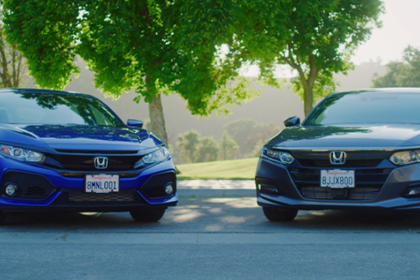
The Japanese brand is projecting three price increases throughout 2026, instead of the usual two. That’s a direct reflection of how tariffs are squeezing the automaker, and it’s something Kon will need to manage carefully. Toyota currently enjoys a pricing advantage over Japanese rivals like Honda, with models like the Corolla, RAV4 Hybrid, and Camry Hybrid all undercutting comparable Hondas. If prices keep climbing, that edge could shrink.
Hybrids Keep the Lights On
During Sato’s tenure, Toyota leaned heavily into its hybrid-first electrification approach, a decision that has held up well as battery electric vehicle demand has softened in several markets, particularly in the United States. The company sold fewer than 200,000 electric vehicles last year, dwarfed by the 4.4 million hybrids it sold globally.
The Japanese car manufacturer’s shares went up 111% under Sato’s leadership. That’s a hard record to argue with, and it’s a big reason why analysts were surprised by the change. Morningstar autos analyst David Whiston noted, “This wasn’t expected given the success that Toyota has been having, and three years isn’t a very long time” for a Toyota CEO’s tenure.
Kon’s Biggest Priorities Starting April 1
The message from Toyota’s board is clear: the company needs tighter financial discipline to weather what’s coming. Kon acknowledged “the headwinds we face, including potential changes in global trade policies,” adding that the response must center on “driving down costs and restructuring from the inside out.”
Industry sources told the Financial Times that the move could eventually set the stage for Daisuke Toyoda, son of Akio Toyoda and a senior figure in Toyota’s software unit, to rise further in the corporate hierarchy. So this may be a transitional period with even bigger changes ahead.
For now, Toyota’s playbook seems pretty straightforward: build where you sell, lean into hybrids, cut costs, and put someone in charge who knows how to protect margins when every border crossing costs you money. With tariffs still a moving target and competition from Chinese automakers intensifying, Kenta Kon has his work cut out for him. But with record global sales and a profitable hybrid lineup backing him up, he’s not starting from a bad spot.